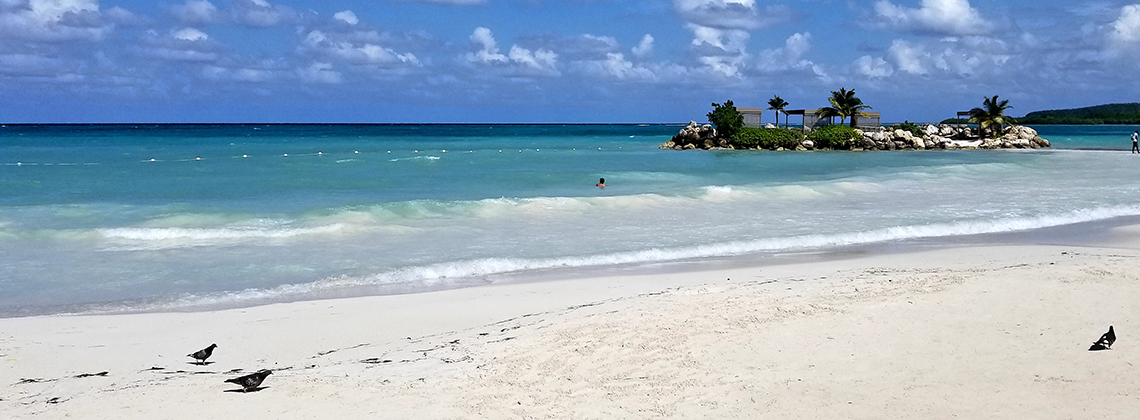

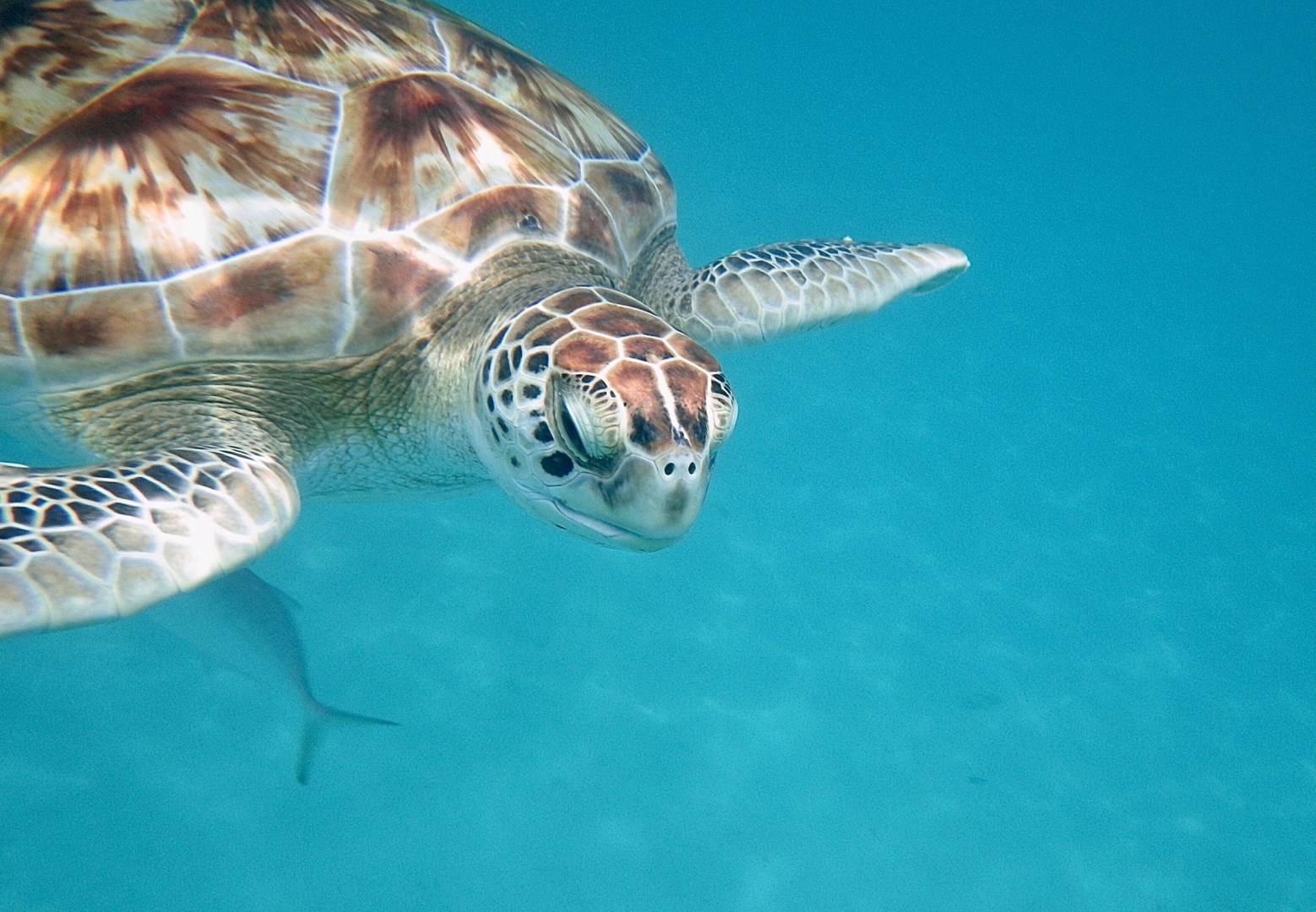
Paynes Bay is a coastal area on the west coast of Barbados in the parish of Saint James, between Holetown and Sandy Lane. Its public beach curves along calm Caribbean waters, with pale sand, shallow reef areas, and views across the sea. The bay is part of Barbados’ west coast, where sheltered conditions generally make the water suitable for swimming and snorkeling. Hotels, villas, restaurants, and residential properties line much of the surrounding area, while the beach remains publicly accessible. Paynes Bay is particularly known for its marine life and regular sightings of sea turtles close to shore.
Paynes Bay reflects several aspects of Barbadian coastal life, including fishing, boating, and the importance of the sea to local communities. The wider Saint James coast developed around agriculture, fishing, settlement, and maritime activity, while today the area combines residential communities with tourism. Local traditions remain visible through fishing boats, beachside activity, and Bajan food and social customs. Barbados’ west coast also has a strong connection with sea turtle conservation. The Barbados Sea Turtle Project monitors nesting turtles and works with communities and visitors to protect these animals and their coastal habitats.
The beach is the main attraction at Paynes Bay, with calm water providing opportunities for swimming, kayaking, paddleboarding, and snorkeling. Green and hawksbill turtles can sometimes be seen in the bay, and boat excursions regularly visit the area for turtle watching and reef snorkeling. Nearby Holetown provides access to additional beaches, restaurants, shops, and historical sites, while Sandy Lane lies farther along the coast. The bay’s position on the sheltered western side of Barbados also makes it a useful starting point for exploring the island’s coastal waters by catamaran or other small boats.
Food around Paynes Bay reflects Barbados’ wider Bajan cuisine, with flying fish, grilled or fried fish, macaroni pie, rice and peas, fish cakes, and cou-cou among the dishes associated with the island. Seafood is particularly appropriate to the coastal setting, while nearby restaurants range from casual Caribbean establishments to more formal dining venues. One of Paynes Bay’s distinctive features is its combination of a developed residential and resort setting with a working marine environment where turtles, reef fish, boats, and swimmers share the same sheltered waters. The bay also faces west, providing clear views across the Caribbean toward evening sunsets.